
Hour 1 — Stop and make safe
Shut the water off at the source or the main. If water has reached outlets, panels, or appliances, kill the circuit before stepping into standing water. If the ceiling is bulging, keep out from under it.
Hours 1–6 — Document before you dry
Photograph and video every affected area before anything is moved — insurers pay on evidence. Our water damage team documents in the format adjusters expect, which shortens claims.
Hours 6–48 — Start real drying
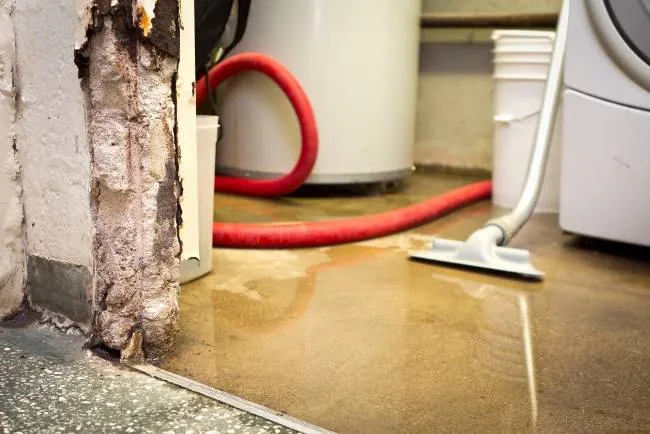
Shop vacs and open windows are a start, not a plan. Moisture sits inside base plates, under floors, and in insulation long after surfaces look dry. Professional drying equipment and moisture readings decide when it's actually dry — and when walls can honestly be closed.
The mold clock
Porous materials that stay wet past 24–72 hours start growing mold. That's why drying verification is the pivot point of every water job: verified-dry materials can be rebuilt around; soaked ones must come out.
When to call the contractor
If water crossed a room boundary, touched walls or cabinets, or came from above, call for a documented scope early — (747) 203-9716. One visit now saves weeks of arguments later about what was wet and what it damaged.
Why documentation beats memory
Adjusters pay on evidence: dated photos, moisture readings, and itemized scopes. Homeowners who document in the first hours settle faster and fuller than those describing events from memory weeks later. Our team writes every report in the format adjusters expect — the same discipline we bring to construction, applied to the claim.
How to use this guide on your project
Read the quick answer first — it is the one-paragraph version — then the section that matches your stage, and take the FAQ to your first contractor meeting. The questions worth asking any builder are the ones this page raises: which office issues the permit, what drives the schedule, and what is assumed in the number you are about to be quoted. Compare contractors on those answers, not on the total alone, because the cheaper bid that skips the permit path is not cheaper. Rules here reflect general California and Valley practice; your lot can differ, and when it does, a site visit settles it faster than more reading. Twenty years of same-shop work stand behind these pages — call (747) 203-9716 or email for a free walkthrough anywhere in our service area, from Winnetka to the wider rim.
Common questions
Will insurance cover the rebuild?
Sudden and accidental losses (burst lines, appliance failures) are typically covered; long-term seepage often isn't. Documentation from the first hours is what separates the two outcomes.
Can I remodel at the same time as repairing?
Often yes — if we're opening walls anyway, clients frequently upgrade finishes in the affected rooms. The scope states it plainly so insurance pays for repair and you fund only the upgrade.
Should I throw away wet items?
Photograph everything first, then keep swatches of carpet, padding, and damaged finishes — adjusters may want them. Carpet often dries; padding usually doesn't. When in doubt, document and ask before disposal.
Is it safe to stay in the house?
Usually yes if the water is clean — a supply line, not sewage — and power to wet areas is off. Sewage backups and sagging ceilings change the answer immediately: leave and call.
Related guides and services
- How to Hire a Licensed Contractor in California — The five-step California checklist: verify the CSLB license, compare bids on one scope, re…
- Room Addition, ADU, or Garage Conversion? — Additions, ADUs, and garage conversions compared on cost drivers, permits, and use cases —…
- Water Damage Repair — documented, insurance-ready rebuilds after leaks and floods.
- General contractor in Winnetka — our home city
- General contractor in Van Nuys
Want this applied to your house?
Guides can only go so far — your parcel, your permit office, and your house have specifics. Call (747) 203-9716 or email OfirConstruction@gmail.com and we'll walk the property free of charge anywhere in our service area. Licensed CSLB #1036242 — verify at cslb.ca.gov.